
Christmas closed: Tuesday, December 24, 2024 – January 1, 2025
For years, exercise was viewed mainly as a way to burn calories, build muscle, or improve cardiovascular health. Dr. Morter saw it as much more. And now, newer research is confirming what he taught: your attitude during exercise may actually influence the benefits you receive from it. Your thoughts are the most important of the 6 Essentials!
In a remarkable Harvard study, researchers discovered that hotel housekeepers who were simply told that their daily work qualified as healthy exercise experienced measurable improvements in weight, blood pressure, body fat, and body mass index — even though their actual activity levels did not change. What changed was their perception. Their minds began viewing movement as beneficial rather than exhausting or meaningless. Researchers called this the “exercise placebo effect,” showing that beliefs and expectations can directly influence physical outcomes.
Scientists are also now proving that the brain responds very differently to exercise we choose versus exercise we feel forced to do. When movement feels rewarding, the brain releases dopamine — a neurotransmitter tied to motivation, pleasure, and habit formation. This creates what researchers call a “positive feedback loop,” making us more likely to continue the activity. In other words, enjoyable movement literally trains the brain to want more movement.
That may explain why people who participate in activities they genuinely enjoy — dancing, hiking, recreational sports, pickleball, cycling, gardening, even walking with friends — often stick with exercise far longer than those who force themselves through workouts they dread.
Another intriguing area of research involves how emotion affects physical performance. Studies in sports psychology show that athletes who approach exercise with curiosity, enjoyment, or gratitude often experience better coordination, improved endurance, and faster recovery times than those exercising under stress or self-criticism. Chronic negative emotions increase cortisol, the body’s primary stress hormone, which in excess can interfere with sleep, recovery, immune function, and even fat metabolism.
And, get this! New research is illuminating the gut-brain-exercise connection. Scientists have found that regular, enjoyable exercise may positively influence gut bacteria, which, in turn, affects mood, inflammation, immunity, and cognitive function. Some researchers now refer to physical activity as a “whole-body communication system” because movement creates chemical signals that influence nearly every organ in the body.
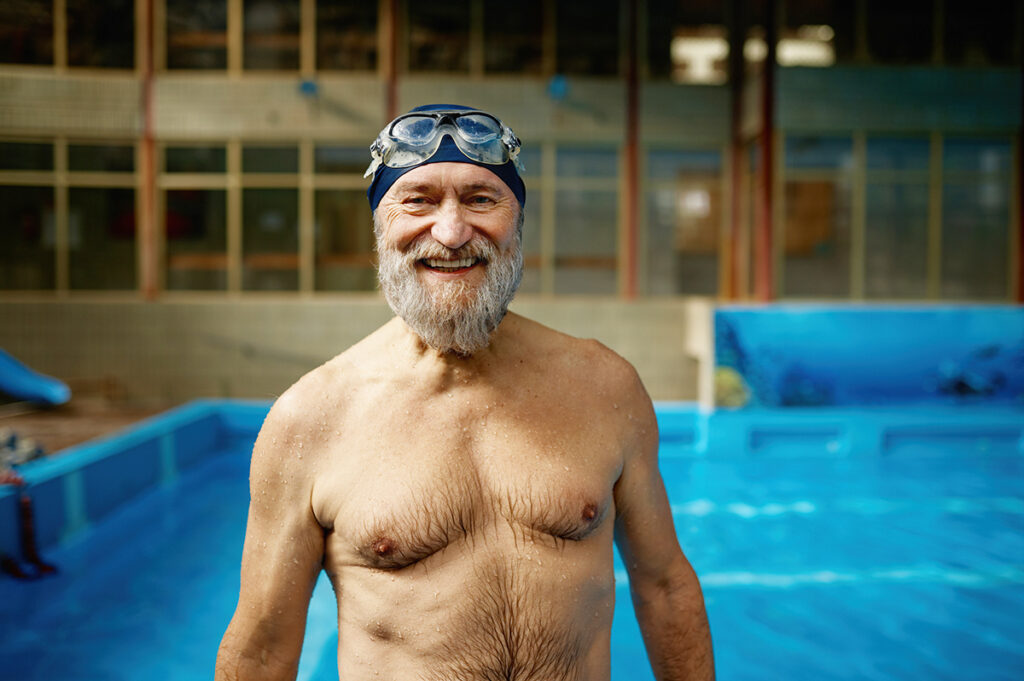
At MHS, we’ve known all along that exercise, including contralateral movements such as walking, swimming, dancing, tai chi, or cross-country skiing, may offer additional brain benefits. Neuroscientists believe these movements enhance communication between the brain’s hemispheres, improving coordination, concentration, and emotional regulation. This may help explain why rhythmic activities often feel calming, centering, and mentally clarifying.
If your health practitioner encourages you to exercise for your health, that advice is grounded in overwhelming scientific evidence. Regular movement lowers the risk of heart disease, Type 2 diabetes, depression, osteoporosis, dementia, and dozens of chronic conditions. And, Dr. Morter suggested something equally important: how you think and feel about exercise matters too.So instead of asking only, “What exercise burns the most calories?” perhaps a better question is: “What movement makes me feel most alive?” The answer to that question may be the key not only to consistency, but to better overall health and well-being.