We tend to think of the bones that make up our skeletal system as our rock-solid support system. However, the bones you have today are not exactly the same bones you had yesterday. Bone is continually lost and replaced. In fact, your entire skeleton is essentially “remodeled” about every 10 years! Bone cells called osteoclasts break down old bone, while osteoblasts build new bone. This ongoing cycle is what keeps your skeleton strong and adaptable.
The comings and goings of bone cells are usually nearly equal, so your overall bone mass stays relatively constant. However, bones are living tissues that respond to demand. They adapt to stress by growing thicker and denser when regularly challenged. That’s why the bones of athletes are generally heavier and stronger than those of people who spend most of their time sitting. Simply put: your bone growth is determined by structural need. Walking, running, lifting, pushing, or any weight-bearing activity tells your bones, “Get stronger—we need you!”
As the years pass, continuing to bend, stretch, and push against things can help maintain bone strength. Bone health isn’t limited to the young—it’s lifelong maintenance. While it’s true that aging is often associated with brittle bones and osteoporosis, this doesn’t have to be inevitable. The mineral component of bone (calcium and other nutrients) tends to increase with age. Still, the organic component (the collagen fibers that provide flexibility and shock absorption) decreases, leading to increased brittleness. The good news? Studies show that even women in their 70s and 80s can increase bone density through resistance training. It’s not instant, but consistent effort pays off, keeping you strong and independent.
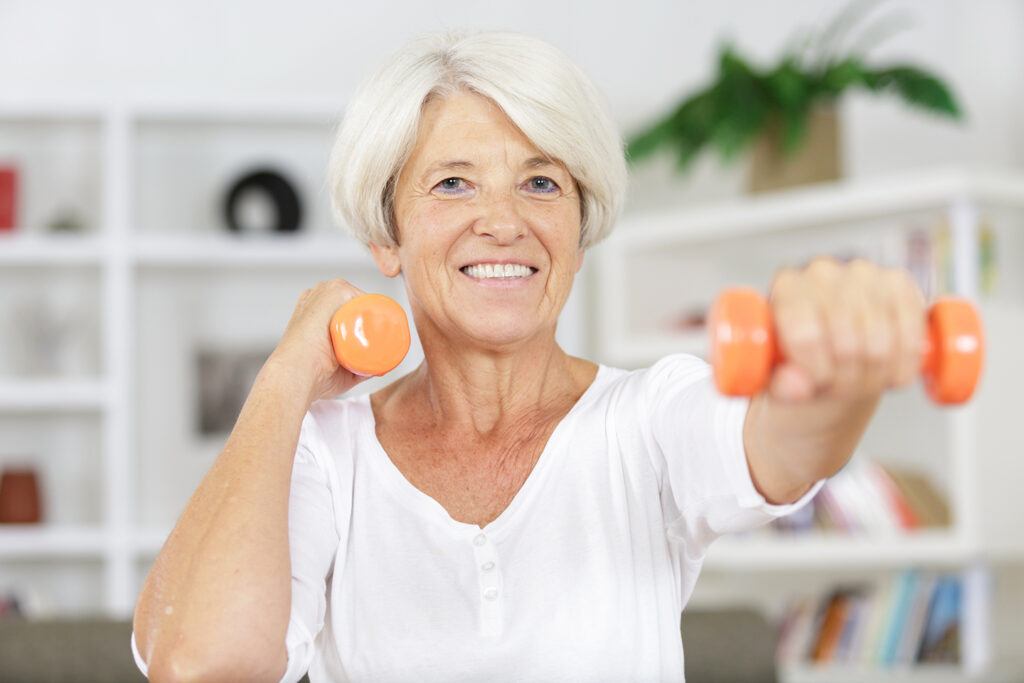
Resistance or weight training doesn’t need to be intimidating. Light weights—sometimes as little as one or two pounds—provide enough resistance to stimulate both muscles and bones. As strength builds, weights can gradually increase, but the key is consistency and progression, not heavy lifting. Activities like yoga, Pilates, and even bodyweight exercises (such as squats, push-ups, and lunges) also count as resistance training, and they add balance and flexibility, reducing the risk of falls and fractures.
So, help strengthen your bones—dig a garden, rake leaves, clean out the garage, go for a hike, dance in the kitchen, or carry those grocery bags with pride! Every little bit of resistance adds up. You’re never too old (or too young) to start exercising, and your future self will thank you for every strong step you take today.
And, for more information, check out Dr. Morter’s book, Dynamic Health – Using your own beliefs, thoughts, and memory to create a healthy body, available at www.morter.com.
Link to Morter March Monday Rebroadcast: