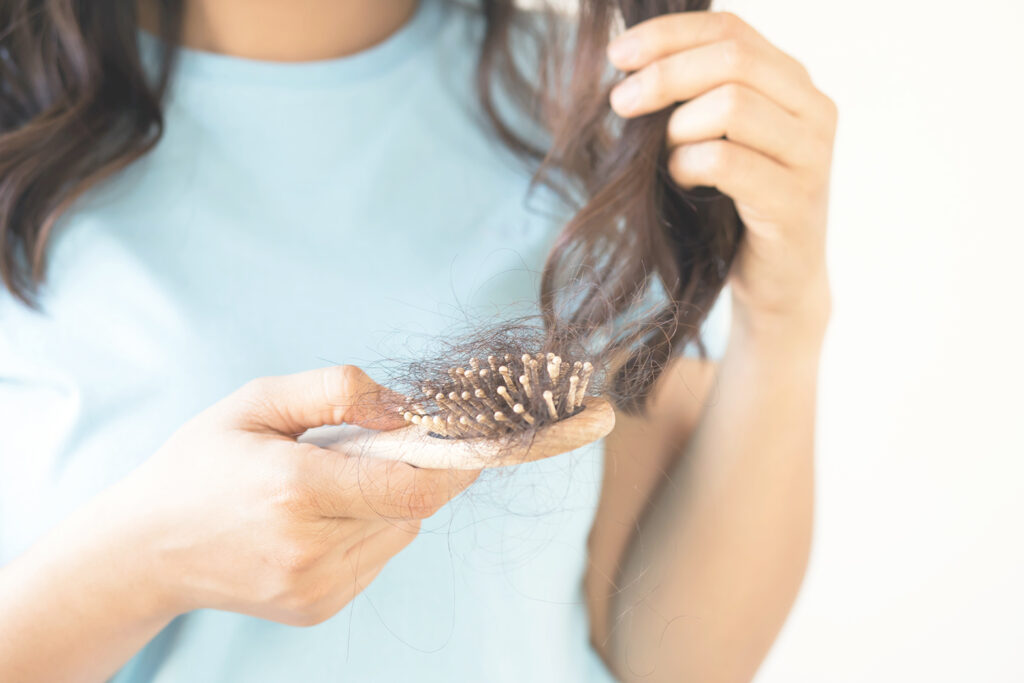
Most of us think of hair loss as something that’s driven purely by genetics or aging. While those factors certainly play a role, nutrition is often an overlooked—and very influential—piece of the puzzle. Your hair is made up of living cells, and like every other part of your body, those cells depend on a steady supply of vitamins and minerals to grow, repair, and thrive.
Vitamins and minerals are essential for healthy cell growth and function. When your body doesn’t get enough of these nutrients, the cells that support and protect your hair follicles can become compromised. Over time, this can disrupt the hair growth cycle and lead to thinning hair or alopecia—more commonly known as hair loss. In fact, by the age of fifty, nearly half of adults experience some degree of pattern hair loss.
At its core, vitamin deficiency is usually the result of nutritional deficiency. Simply put, if you’re not eating the right foods—or absorbing the nutrients from them effectively—your body doesn’t have the raw materials it needs to support healthy hair. Hair is considered “non-essential” from a survival standpoint, so when nutrients are scarce, your body prioritizes vital organs first, often leaving hair follicles undernourished.
It’s also rarely just one missing nutrient that causes hair loss. Hair growth is a complex process that relies on many vitamins and minerals working together. Long-term deficiencies in several key nutrients can gradually weaken hair strands, slow growth, and increase shedding.
Some of the most common nutritional culprits linked to hair loss include deficiencies in vitamin C, vitamin A, iron, vitamin D, B vitamins (especially B12 and biotin), and zinc.
- Iron helps red blood cells carry oxygen to the hair follicles.
- B vitamins support energy production and cell renewal.
- Vitamin D plays a role in follicle cycling.
- Zinc and vitamin C are important for tissue repair and collagen formation, which helps keep hair strong and resilient.
The foundation for healthy hair always starts with a balanced, whole-foods-based diet rich in vegetables, fruits, quality proteins, and healthy fats. These foods provide not only individual nutrients, but also the synergy your body needs to absorb and use them effectively.
In addition to diet, targeted supplementation can be helpful—especially for those with known deficiencies or increased nutritional needs. To support hair health, we often recommend Super V® along with Morter Trace Minerals. Super V® supplies key nutrients involved in hair growth and strength, including vitamin B12, vitamin D, biotin, iron, and zinc. It also provides selenium in balanced amounts—enough to support cellular health without risking excessive intake.
When you nourish your body properly with whole foods and thoughtful supplementation, you’re supporting far more than just your hair. You’re strengthening your immune system, improving cellular health, and creating an internal environment where your hair can stay healthy, supple, and strong—helping you avoid those frustrating bad hair days from the inside out.
Link to Morter March Monday Rebroadcast: